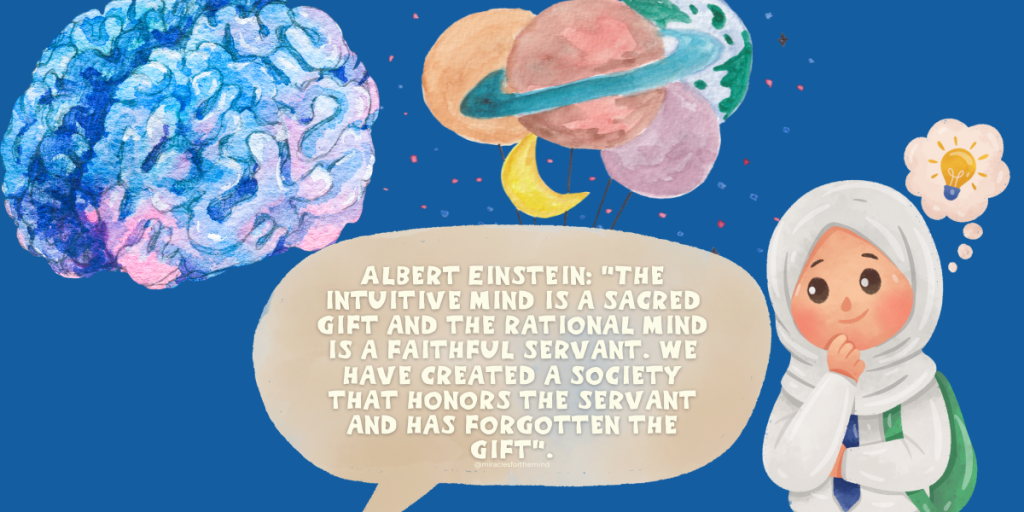
Ultimately, our mind and body know what is best for us and how to best suit our needs. Our intuition is best known as the innate ability to know something without having to think about it consciously. The main purpose of our intuition is to keep our body safe and in great health. You might also be familiar with your intuition as a “gut feeling” or something you “just know.” Trusting your intuition is not a skill that you learn, but one that you can strengthen.
Psychologists think intuition comes from recognizing patterns. Your mind looks at past experiences to make quick judgments about what’s happening now. Research shows that people who trust their intuition tend to make morally sound decisions more often. When we pay attention to what our intuition is saying to us, it provides us an opportunity to learn more about ourselves and increase our self-awareness. Once we are self-aware it can make it a lot easier to understand that gut feeling that may have once been unclear. While the idea of our intuition is powerful and quite useful, most people don’t hone in on the signals our body provides us.
There are many reasons as to why we may not trust our intuition or even understand when it is our intuition speaking to us. There are many explanations behind this as well as ways to strengthen this skill within your life. It takes practice for most people to start following their intuition; starting from a young age, we are taught to disregard our intuition and trauma can have a huge part to play as well. When we experience trauma, especially at a young age, it can skew our intuitive delivery system. This means we may not trust ourselves or our intuitive guidance. Cultural beliefs or upbringing may discourage reliance on intuition, leading us to prioritize rational thinking over intuitive insights. We might dismiss our intuitive feelings by explaining them as mere coincidence or irrationality instead of recognizing their possible truthfulness.
When things seem off or something doesn’t feel right, you should trust yourself and not ignore what you are feeling. You may not be able to put your finger on the exact reason, but your body ultimately knows this may not be what’s best for you. That subtle voice speaking to you could be preventing you from harm or danger. Certain indicators can signal that your intuition is communicating with you and they can show in various physical symptoms. This can include having tension in your body that won’t go away, feeling like there is a pit in your stomach, feeling like there is danger coming, etc.
To strengthen the skill of trusting your intuition, it’s essential to listen closely to your gut feelings and bodily sensations when faced with decisions or situations. Reflecting on past instances where your intuition proved accurate can bolster your confidence in its guidance. Regular mindfulness practices can help quiet the mind and enhance your receptivity to intuitive signals. Actively following your inner voice, even when it seems illogical, and journaling your intuitive impressions can further validate and reinforce your trust in intuition over time. Surrounding yourself with supportive individuals who validate and encourage your intuitive development can provide valuable reassurance. Keeping an open mind and letting go of skepticism can foster a deeper connection to your intuitive wisdom.
When we learn to recognize and interpret our intuitive signals, it is much easier to trust ourselves. Trusting yourself and your intuition brings many benefits. It boosts your self-confidence, helping you make decisions with clarity and conviction. Your intuition acts as a reliable guide in challenging times, helping you navigate uncertainty with ease. This trust fosters self-awareness, deepening your understanding of yourself and improving your relationships. Overall, embracing your intuition empowers you to live authentically and purposefully.
Overall, intuition is valuable because it complements logical reasoning and allows us to tap into our inner wisdom for better decision-making and understanding of ourselves and the world around us. By embracing your inner wisdom, you unlock the power to make decisions aligned with your true desires and values. While logic and analysis have their place, intuition offers invaluable insights and guidance that can lead to more authentic experiences and fulfilling outcomes. Remember, trusting yourself isn’t just about having faith in your abilities—it’s about honoring your intuition as a valuable source of wisdom in your journey towards personal growth and fulfillment. Embrace it, nurture it, and let it guide you towards a life filled with purpose and authenticity.
-Seyan Washoma

 Miracles for the Mind